Why Mount Kilimanjaro Continues to Inspire Climbers From Around the World
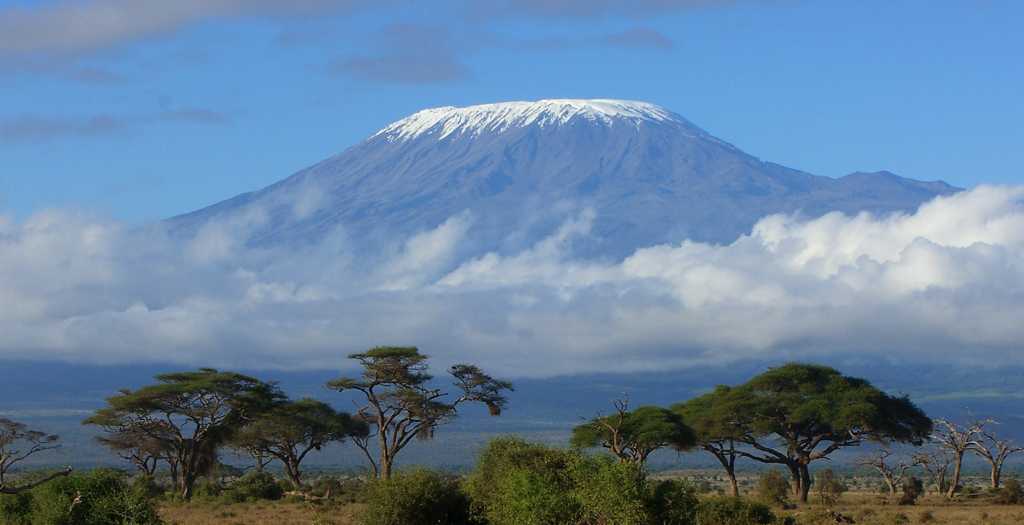
Mount Kilimanjaro stands as one of the most iconic mountains on the planet. Rising 5,895 meters above sea level, it is the tallest free-standing mountain in the world and the highest peak in Africa. While many mountains are known for extreme technical difficulty, Kilimanjaro is famous for something different — it is a summit that ordinary people from every background dream of reaching at least once in their lifetime. The idea that someone can climb Kilimanjaro without professional mountaineering experience is a major part of the mountain’s magic.
But what makes Mount Kilimanjaro so special? Why do thousands of climbers travel to Tanzania every year to take on this bucket-list adventure? And what should you know before planning your own climb? Let’s explore the reasons behind the global fascination with this legendary African giant.
A Mountain That Welcomes First-Time Climbers
Unlike the world’s extremely technical peaks such as Everest or K2, Mount Kilimanjaro can be climbed without ropes, ice axes, or advanced climbing skills. This does not mean the climb is easy — the altitude makes it challenging — but it does mean the trek is accessible to anyone with determination, a reasonable level of fitness, and proper acclimatization.
This accessibility is the primary reason millions of people search “How to Climb Kilimanjaro” every year. The idea that you can walk to the top of Africa without technical climbing experience makes the mountain feel achievable for teachers, students, fitness lovers, solo travelers, and even families.
The Beauty of Kilimanjaro’s Changing Landscapes
Kilimanjaro is like walking through different worlds in a single journey. Few places on Earth offer such dramatic environmental changes in such a short distance. When you climb Kilimanjaro, you will pass through five unique climate zones:
- Cultivation Zone: Green farmland at the base
- Rainforest: Misty, lush, and full of wildlife
- Heather & Moorland: Open landscapes with massive volcanic rocks
- Alpine Desert: Dry, cold, and moon-like terrain
- Arctic Summit Zone: Harsh snow and glaciers
This rapid transformation makes the trek feel like an adventure filled with surprises. Every day brings a new environment and new photography opportunities.
A Deep Sense of Personal Achievement
Reaching Uhuru Peak, the highest point on Mount Kilimanjaro, is not just a physical accomplishment—it’s an emotional experience. Standing on the roof of Africa after days of slow trekking, cold nights, and thin air creates a feeling that stays with you for life.
Many people climb Kilimanjaro to celebrate personal goals:
- Birthdays and anniversaries
- Graduation or career milestones
- Recovery from a challenging life event
- Charity fundraising missions
The mountain has become a global symbol of perseverance.
Safe & Guided Climbs With Local Experts
Another reason people choose Kilimanjaro is the availability of experienced local guides, licensed operators, and well-organized expedition teams. A reliable crew handles everything: tents, meals, safety checks, and pacing strategies. These local professionals know the mountain better than anyone else, and their guidance is essential for a safe summit attempt.
Choosing an ethical, reputable company that supports its porters and follows safety standards is extremely important. Good guides monitor oxygen levels, provide assistance during altitude challenges, and ensure climbers follow the golden rule: “climb high, sleep low.”
Altitude: The Real Challenge
Climbing Kilimanjaro is not a race. Success depends on pace, hydration, and acclimatization. Many climbers underestimate the effects of altitude, which is why choosing a longer route significantly increases your chances of reaching the summit.
The mountain teaches patience, discipline, and respect for nature. Every step closer to the summit becomes a lesson in endurance.
Choosing the Right Kilimanjaro Route
There are several routes up the mountain, and each offers a unique experience:
- Lemosho Route: Beautiful scenery, high success rate
- Machame Route: Popular “Whiskey Route” with diverse landscapes
- Rongai Route: Quieter, drier trail from the north
- Marangu Route: Known as the “Coca-Cola Route,” offers hut accommodation
- Northern Circuit: Longest and most scenic route
Selecting the right route depends on your fitness, time, and preferred scenery.
Cultural Connection With Tanzania
Climbing Kilimanjaro also connects you with Tanzanian culture—local cuisine, traditions, warm hospitality, and stories shared by guides and porters. The experience is not just about reaching the summit; it’s about the people you meet along the way.
Conclusion
Mount Kilimanjaro is more than a mountain—it’s a dream that millions share. To climb Kilimanjaro is to challenge yourself physically and mentally while experiencing one of the most unique landscapes on Earth. Whether you seek adventure, inspiration, or personal growth, Kilimanjaro welcomes you with open arms.